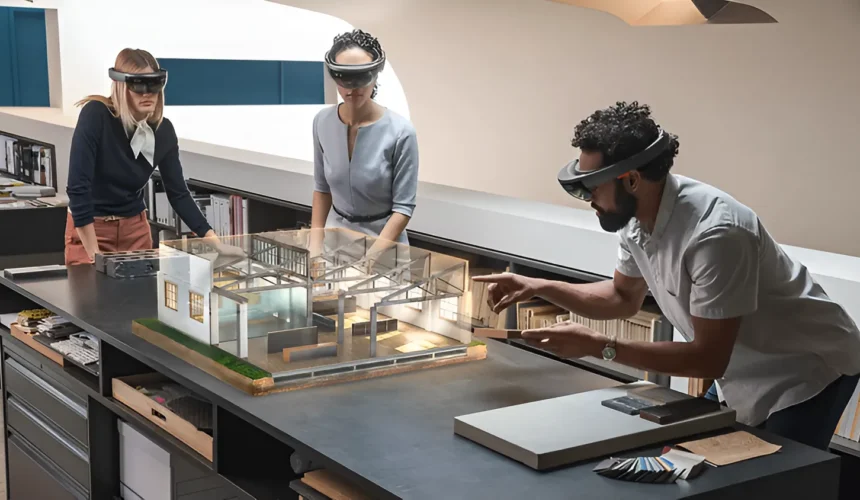
In today’s fast-paced real estate and construction sectors, embracing innovative technologies is crucial for staying competitive. One of the most exciting frontiers in this domain is Mixed Reality (MR), which seamlessly blends the digital and physical worlds. This blog post delves into the profound impact of mixed reality on real estate, property development, and construction, and forecasts its potential future within these industries.
Understanding Mixed Reality
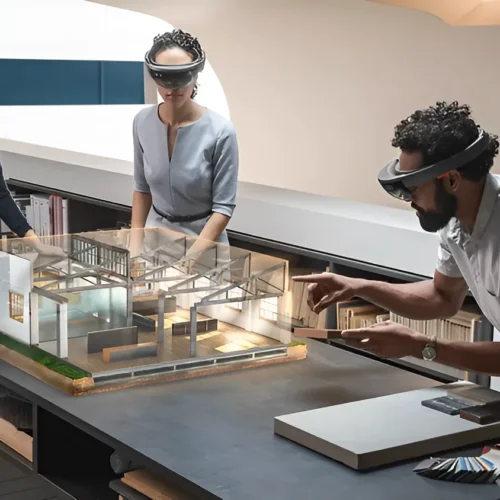
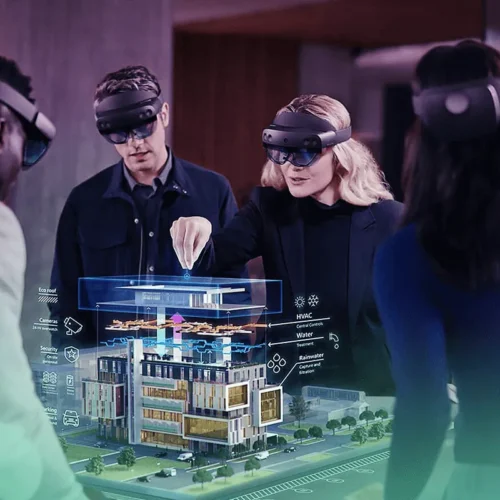
Mixed reality combines elements of Virtual Reality (VR) and Augmented Reality (AR), allowing users to interact with both real and virtual environments in real-time. By integrating digital information into the physical world, MR creates immersive experiences that enhance understanding, collaboration, and decision-making. For instance, property developers can superimpose virtual designs onto existing structures, providing stakeholders with a clearer vision of the project before it begins.
Transformative Applications in Real Estate
In real estate, mixed reality is revolutionizing the way properties are marketed and sold. Consider the ability to create virtual tours that enable potential buyers to explore a property without physically stepping onto the premises. This not only saves time for both agents and clients but also widens the audience reach, attracting international buyers who might not easily visit.
Additionally, MR allows buyers to visualize modifications and renovations in real-time. Imagine walking through a vacant home with a headset that showcases various interior design options or layout alterations. This capability not only enhances customer experience but also facilitates informed decision-making, ultimately driving sales.
Advancements in Property Development
For property developers, mixed reality serves as a powerful tool for visualization and planning. Before breaking ground, developers can create detailed 3D models of projects, offering stakeholders a comprehensive view of the development. This can lead to improved collaboration among architects, engineers, and investors, ensuring that everyone is on the same page.
Furthermore, MR can help streamline the design process by enabling real-time adjustments and improvements. If a design flaw is identified, it can be addressed immediately in the mixed reality environment, minimizing costly changes during construction.
Enhancing Construction Processes
In the construction phase, mixed reality provides several practical applications that can enhance efficiency and safety. On-site workers can use MR headsets to access digital blueprints and project specifications, minimizing the chances of errors. This real-time access to information can significantly reduce project delays and enhance overall productivity.
MR technology can also be utilized for worker training and safety procedures. New employees can train in a mixed reality environment that simulates real-life scenarios, ensuring they’re prepared for the challenges they’ll face on-site. This immersive training experience can lead to higher retention rates and better-prepared workers.
The Future of Mixed Reality in these Industries
As mixed reality technology continues to evolve, its potential applications in real estate, property development, and construction hold remarkable promise. With advancements in hardware and software, we can expect to see even more sophisticated and accessible solutions that drive productivity and efficiency.
In the near future, we may witness:
1. Increased Integration with AI: Mixed reality will likely increasingly integrate with artificial intelligence, automating tasks like property assessment and design analysis, providing insights that enhance decision-making.
2. Broader Adoption across the Industry: As MR devices become more affordable and user-friendly, we can expect widespread adoption across all levels of the real estate and construction sectors.
3. Real-Time Collaboration: Improved connectivity will facilitate better collaboration across teams based in different locations, allowing stakeholders to interact within the same virtual space, irrespective of their geographical locations.
4. Sustainable Practices: By visualizing projects in mixed reality, developers can analyze energy efficiency and sustainability measures in real-time, promoting greener building practices.
Conclusion
The role of mixed reality in real estate, property development, and construction is expanding at an unprecedented rate. As we embrace this technology, we open up new pathways for collaboration, visualization, and efficiency that can lead to better outcomes and more informed decision-making across all stages of the property lifecycle.
For industry professionals, staying ahead of the curve means understanding these technologies and their potential impacts. The future looks promising, and those willing to adapt and innovate will undoubtedly reap the benefits. Embracing mixed reality is not just a trend; it’s a strategic move towards a smarter and more efficient future.
If you have any questions about how mixed reality can specifically benefit your projects, feel free to reach out at +91 90801 27711 or visit us at www.cz-in.com. Together, let’s explore the endless possibilities that await!